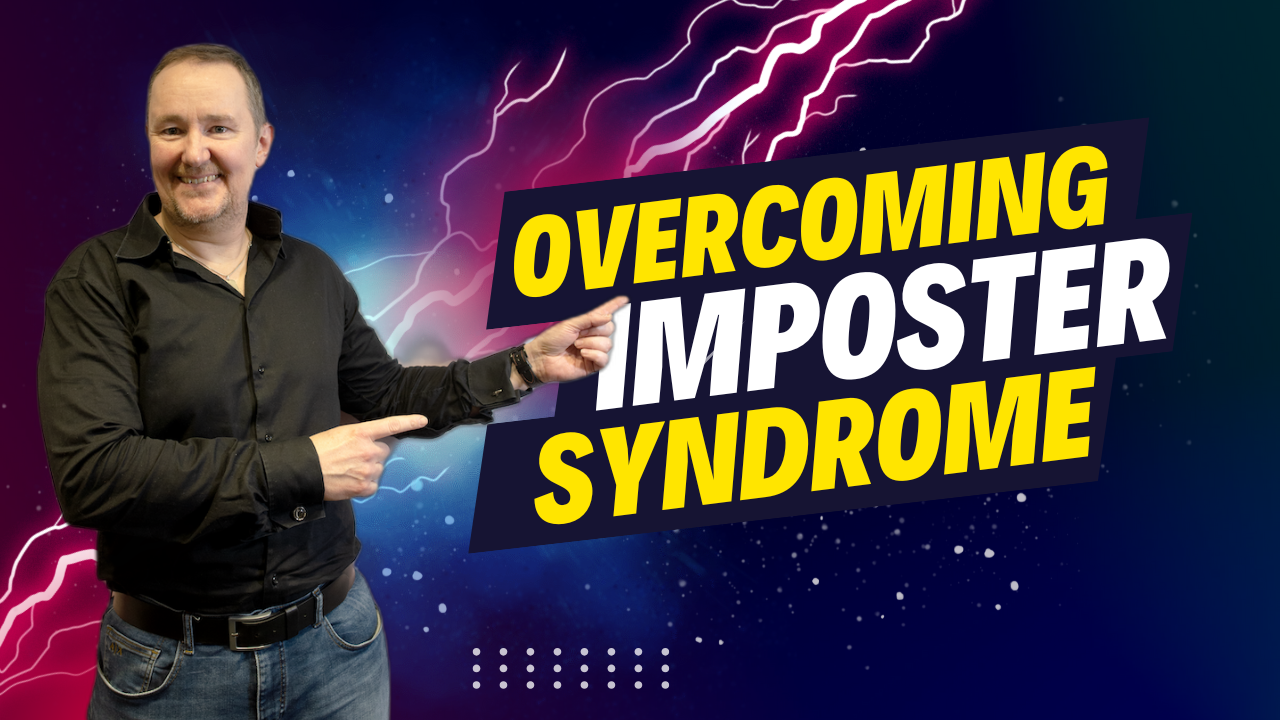
One topic that often comes up in my coaching sessions with budding entrepreneurs is imposter syndrome. It’s that feeling of not being “credible” enough or worrying that we might not truly deserve the roles we’ve claimed in our businesses. Often, this isn’t something people willingly share; rather, it’s a subject that usually needs to be coaxed out of them.
Imposter syndrome is essentially the fear that we don’t know enough, aren’t authoritative, or simply aren’t “good enough” to do what we say we’re doing. I see this challenge all the time within the Blam Partnership Programme. For many people, joining Blam means diving into a whole new world of digital marketing. They become certified marketers within a few weeks, learning new knowledge and skills at a rapid pace. But because they’re just starting out, they lack the hands-on experience behind that knowledge, and that’s often when the imposter syndrome kicks in.
Facing Imposter Syndrome Head-On
When new Blam partners step out to meet potential clients, they might feel like they’re on shaky ground. Speaking to established business owners and advising them on their digital marketing is no small feat, especially if you’re just starting your own entrepreneurial journey. But here’s the key insight I always share: the process, the training, and the systems we use at Blam give them knowledge that, while fresh to them, is immensely valuable to the businesses they’re serving.
The beauty of the Blam model is that once a Partner makes a sale, they can rely on a whole team of experts to deliver what’s been promised. This support system is there to back them up, and it allows Blam Partners to lean on their new knowledge with confidence, knowing there’s a skilled team to fulfill their commitments.
Imposter Syndrome Never Truly Disappears
The truth is, imposter syndrome doesn’t just vanish after the initial stages of business. It can resurface at any time, often when you’re about to tackle something new. I know this from experience because I still face it, even after years of building and coaching businesses. In fact, right now, I’m about to launch a YouTube channel to reach even more budding entrepreneurs, providing case studies, interviews, and entrepreneurial advice. And, yes, despite everything, there’s still that nagging question:
Why would people want to listen to me?
If I’m honest, it took me years to feel comfortable in front of the camera, and even longer to recognise that being the face of a brand can help you connect with the audience you’re aiming to support. Putting yourself out there can be challenging, especially when you’re committed to providing real value.
Reframing Imposter Syndrome
Imposter syndrome doesn’t mean you lack knowledge or expertise. For my part, when I look back at my journey, I’ve coached hundreds of entrepreneurs, built seven-figure businesses, and, yes, had some failures. But those experiences form the foundation of my expertise, even if I sometimes feel like “little old me” isn’t the obvious choice to give advice.
The takeaway is this: If you experience imposter syndrome, you’re in good company. I’d even argue that if we didn’t experience it, we might become arrogant, and that’s certainly not an endearing or effective way to connect with others. Embrace that inner doubt, but don’t let it hold you back. Instead, lean on the facts. Recognise the tools, training, and knowledge at your fingertips. In most instances, if you’re genuine and straightforward with your clients, you’ve got everything you need to deliver.
Moving Forward with Confidence
If you’re an entrepreneur dealing with imposter syndrome, remember that feeling unsure is part of the journey. Everyone feels it, it’s not a sign that you’re incapable, but rather that you’re pushing yourself to grow. Embrace that vulnerability, lean on the support systems you have in place, and trust in the value you bring to your clients.
If you’d like to know more about the Blam Partnership Programme, check out the links below. And keep an eye out for my upcoming podcast, where I’ll dive deeper into topics like this and share more insights for those of you taking your first steps into the entrepreneurial world.