


Why Marketers Are Learning To Love Popups

I am sure you all remember the times when popupnotifications were the most annoying thing on the web, often correlated withlow-quality content web pages. Back then it was by no means considered a smart marketingmove for a business to include popups on their website as it quite often irritatedvisitors and drove them to bounce immediately – a potentially damagingadvertising method that did more harm than good to any brand. Thus, it comes as no surprise that a lot of marketersnowadays are still hesitant to use that type of communication. Without a doubt, everyone must have noticed that some of thelargest brands have recently started to use popups again as their mainsubscription tool on their website. Smaller businesses, however, still appearto be afraid to adopt the controversial feature as they still perceive it as anegative interruption to the user experience. Are they missing out? The reality is that, despite the debate, popups do driveconversions by prompting users to opt-in to your mailing list. And we all knowthe importance of a well-structured email database for a firm.
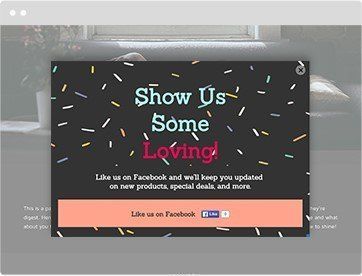
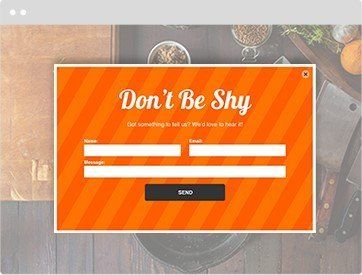
Seth Godin has been talking about permission marketing for decades now and modern popupsare a great way to turn what was once perceived as interruption marketing to itseffective counterpart. So what changed? The most obvious change is undoubtedly the appearance. Popupdesign has developed tremendously making current popups sleek, sophisticatedand pleasant to the eye, able to engage the user in many different ways oftenwith quirky messages.
That being said, irrelevant popups will still infuriate the visitor despite how pretty they might look, so be aware that considerate implementation is key to popup conversions. Which brings us to the second – and perhaps most important – change which is the strategy. Today’s marketers go the extra mile to actually include popups as part of the overall online strategy instead of thoughtlessly having popups flying around every single page driving people away. So here are a few tips on how to successfully implement popups to your website:
1. Align them with your overall marketing plan. Take some time to think why you need popups and what you are trying to achieve. That should help you decide the exact content of the message as well as the follow-up communication with the subscribers.
2. Make them clever and funny whilst maintaining the same tone of voice as the rest of your communications. Consistency will ensure a seamless user experience and won’t cause the popup to negatively stand out from the rest of your website.
3. Good timing is essential. Give the readers some time to extract useful information from your website so that they are more likely to want to sign up. Popups that appear the second someone enters a site for the first time are just pointless and will increase your bounce rate.
4. If you are smart enough to have a dynamic website, then a great move would be to include targeted promotions.
Dynamic Website Personalisation is a brilliant technology that can be used to show specific promotions based on each user’s unique situation. Needless to say, personalised popups convert much better.
5. Offer something in exchange. Many companies choose to offer useful content for download to increase conversions even further. The choice is yours. One thing that is certain is that the popup is a great way to effectively communicate special promotions that would otherwise fade into the background.
The new popups are a powerful tool – don’t be afraid to try them out. I would love to hear your thoughts on the subject. Would you add popups to your website?
Recent Posts