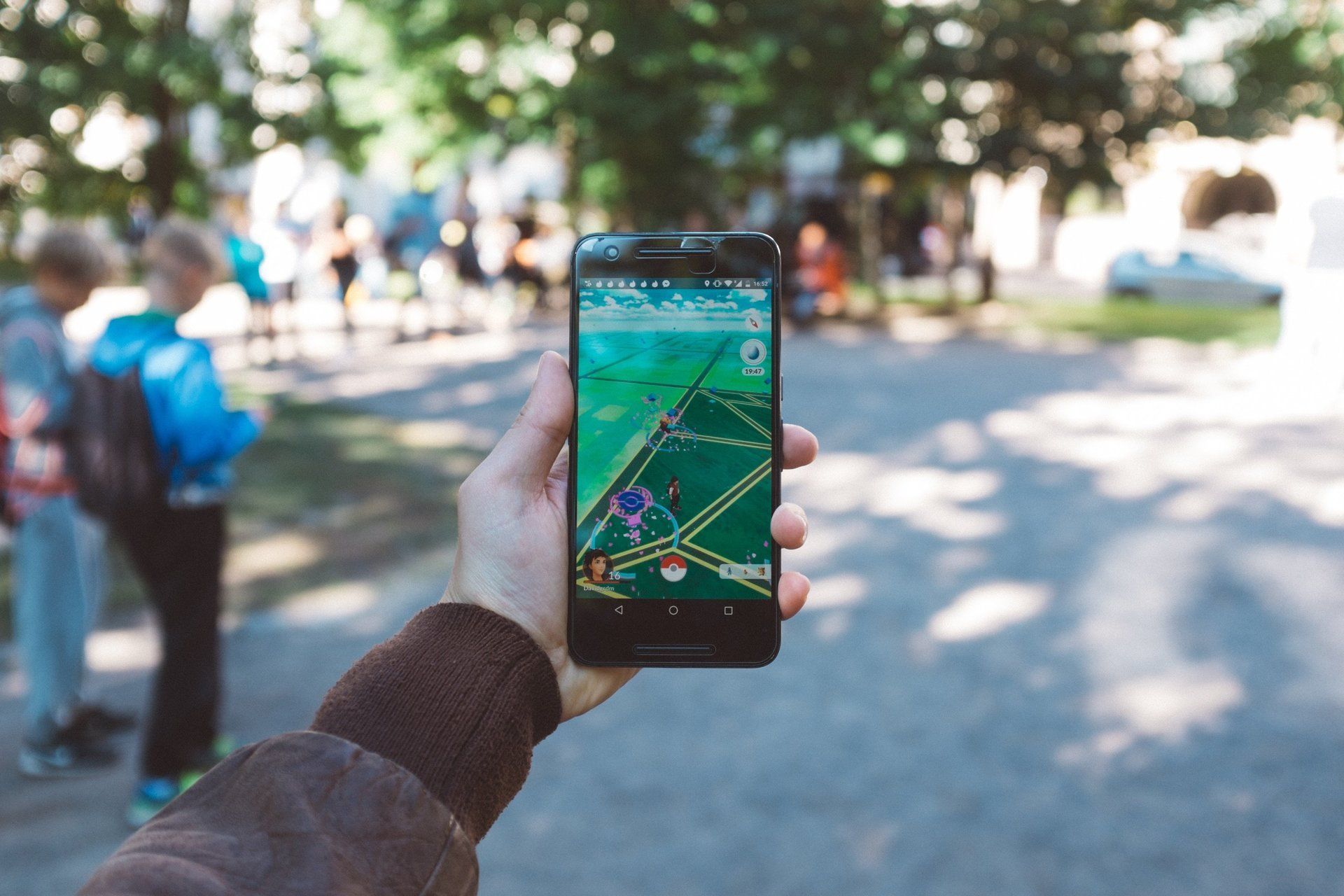
Augmented Reality (AR) is an exciting technology which has been around since the early 1990s. The technology isn't new, in fact we first started experimenting with it in apps as early as 2012 but now it’s really starting to pick up steam.
So what its it? AR can be explained as an enhanced version of reality with a computer image superimposed over a users' view of the real world. Augmented Reality is not the same as Virtual Reality (VR), VR requires you to enter and inhabit a virtual environment, AR layers a computer image over the real world, blending the two environments. AR enables users to experience an improved world where virtual information is used to assist various activities.The smartphones of today contain the sensors and technology required for AR and so, it makes sense for marketers like us who are always looking to be innovative, to target their marketing efforts towards this platform that is expected to grow to
2.5 billion users in 2019
.The companies in this list have used AR innovatively to market their applications in exciting ways.
- Snapchat
Snapchat has seen the most success incorporating AR into their IOS and Android apps. Lenses are Snapchats most popular feature and are also a massive revenue generator. To illustrate this point, Taco Bell partnered with Snapchat in 2016 to launch a Cinco de Mayo lens which was viewed 224 million times in a single day. Now adapted by Facebook and Instagram the mind boggles as to how far this tech can evolve!
- IKEA
IKEA launched an app called “IKEA Place” which uses AR to let customers virtually place furniture inside their home. This lets their users see how their products will look inside their homes without the users leaving their homes.
- L'Oreal
L'Oreal developed their own AR apps called Makeup Genius and Style My Hair to let their users virtually try on makeup. Applications like these allow L'Oreal to advertise their product lines to more customers than all of their stores can accommodate.
- AMC Theatres
AMC Theatres have made an innovative AR app that keys off movie posters. Pointing your phone at a poster will bring up details like cast information and trailers while also serving as a means of booking tickets for movies that look interesting.
- The Simmons Simulator
The Simmons Bedding Company creators of the popular Comforpedic and Beautyrest orthopedic mattresses use AR in a similar fashion to the AMC Theatres to sell mattresses. Shoppers point their phones at mattresses in their store which then show them various details like materials used to make the mattress and the advantages of one mattress over another.
- Pokémon Go
This list would be incomplete without Pokémon Go, widely recognised as the app that started the AR craze. Its marketing potential was limitless at its peak. Niantic Labs, creators of the game announced sponsored PokeStops which had them partner with businesses to spawn monsters in specific locations to attract potential customers hunting for that elusive Kyogre or Rayquaza. It doesn't take a genius to put two and two together to realize that this was a brilliant move to target certain demographics.As ever at BLAM, we love the embrace the beauty of technology and looking for ways to use AR effectively in our own business as well as our clients and BLAM! Partners is high in the agenda!